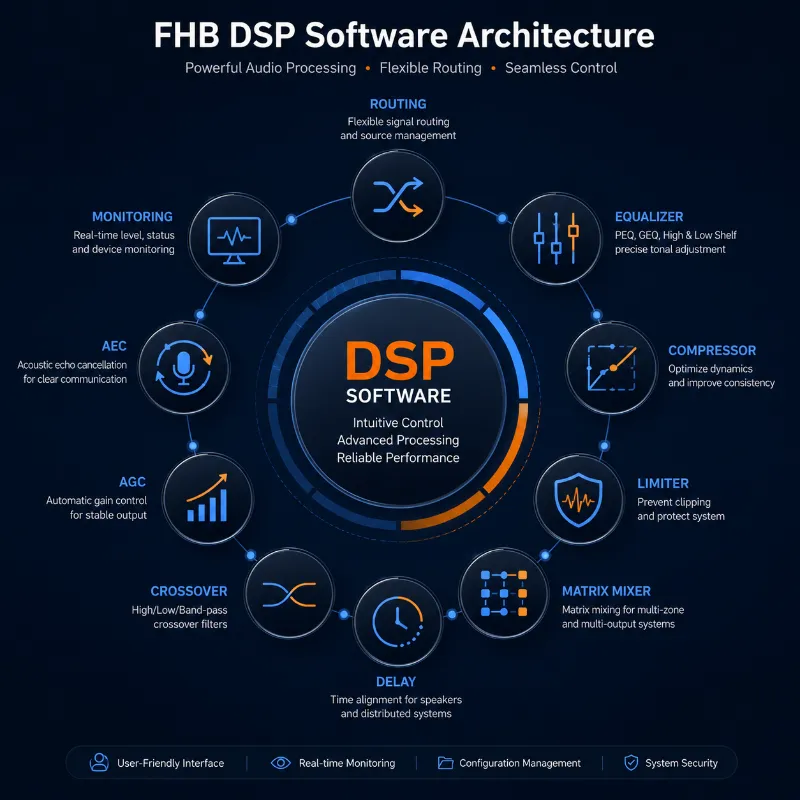
FHB DSP software is designed to simplify the operation and management of professional audio processing systems. Through an intuitive software interface, users can configure audio routing, adjust processing parameters, manage system settings, and optimize overall audio performance.This tutorial introduces the basic workflow of using FHB DSP software for audio processing, helping system integrators and audio engineers efficiently configure and manage FHB DSP systems.
In modern conference rooms, hybrid workplaces, distance learning environments, and unified communication systems, clear voice transmission is essential for productive conversations. However, when sound from a loudspeaker is picked up again by a local microphone and transmitted back to the far-end participant, an unwanted echo is created. This acoustic echo can interrupt conversations, reduce speech intelligibility, and create an unprofessional meeting experience.
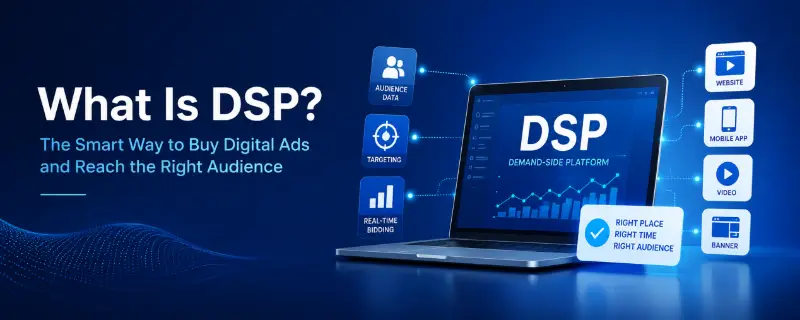
DSP, short for Digital Signal Processing, refers to the technology of processing audio signals using mathematical algorithms executed by digital processors. It is one of the core technologies behind modern professional audio systems.
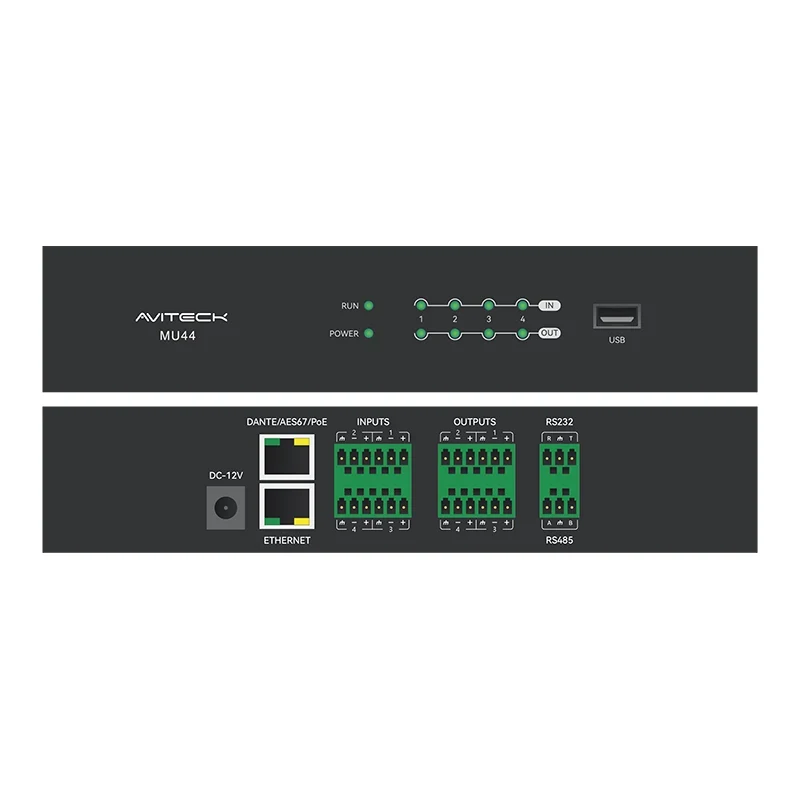
Choosing a digital audio processor involves far more than adjusting EQ curves or routing signals. The right unit must match input/output channel counts, sampling rate, latency requirements, control interface, and processing power, while also accounting for system gain structure, acoustic environment, and long-term operational stability. This article explains how digital audio processors differ from analog alternatives, how to verify compatibility with your existing sound system, and which specifications matter before purchasing or deploying. You will also find key safety and performance checks that help prevent signal degradation, feedback instability, and communication failures, enabling informed selection and proper system integration.
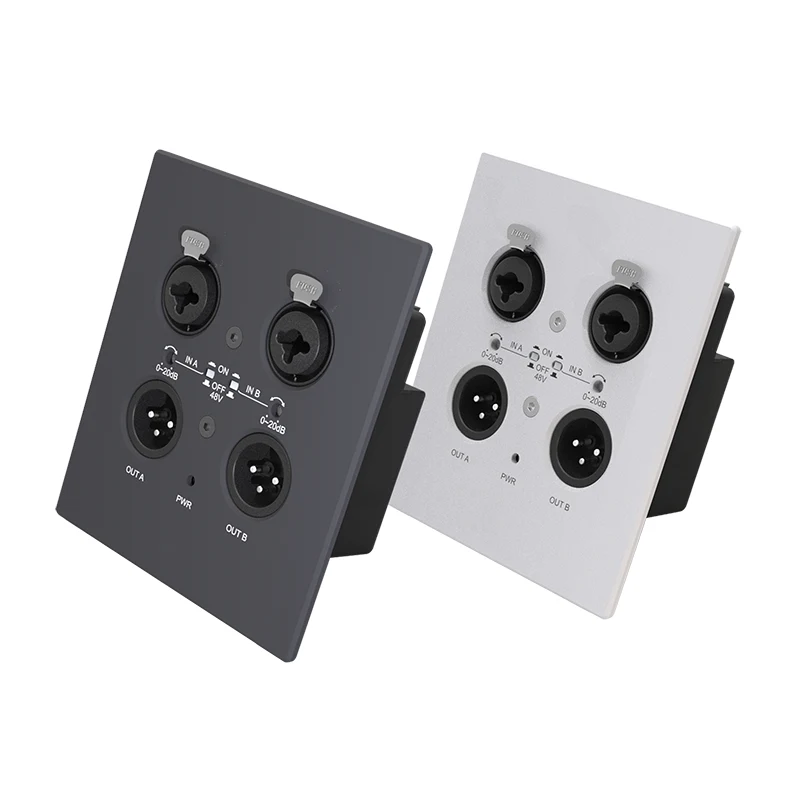
Recently, a product named the 2CH Dante Wall Plate has drawn significant attention in the audio equipment sector. What makes it so unique that industry professionals are taking notice?
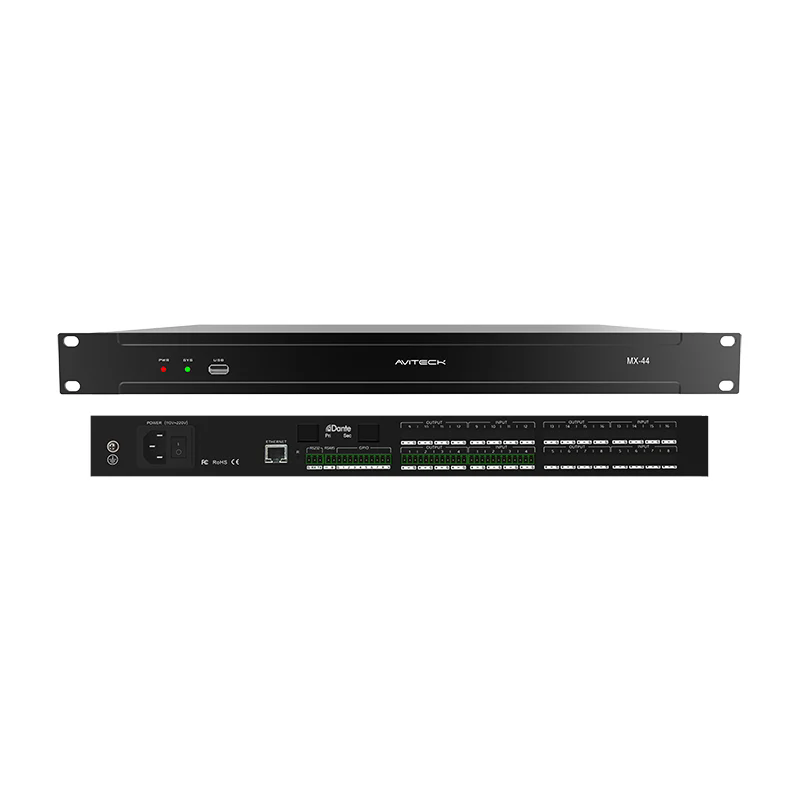
In the evolving landscape of audio technology, clarity, precision, and adaptability have become the cornerstones of exceptional sound experiences. From live concerts and recording studios to conference rooms and home theaters, the quality of audio can make or break an event, production, or daily interaction. At the heart of this audio excellence lies the digital audio processor—a sophisticated device that transforms raw sound signals into polished, balanced, and immersive audio. But what exactly makes a digital audio processor so critical for modern sound systems, and how does it elevate audio quality across diverse applications? This guide delves into the role of digital audio processors, highlights their key benefits, details the specifications of our cutting-edge models, and addresses common questions to showcase their indispensable value.
We use cookies to offer you a better browsing experience, analyze site traffic and personalize content. By using this site, you agree to our use of cookies.Privacy Policy


 11 2026-08
  23 2026-07
  03 2026-07
  28 2026-04
  17 2025-09
  07 2025-08

