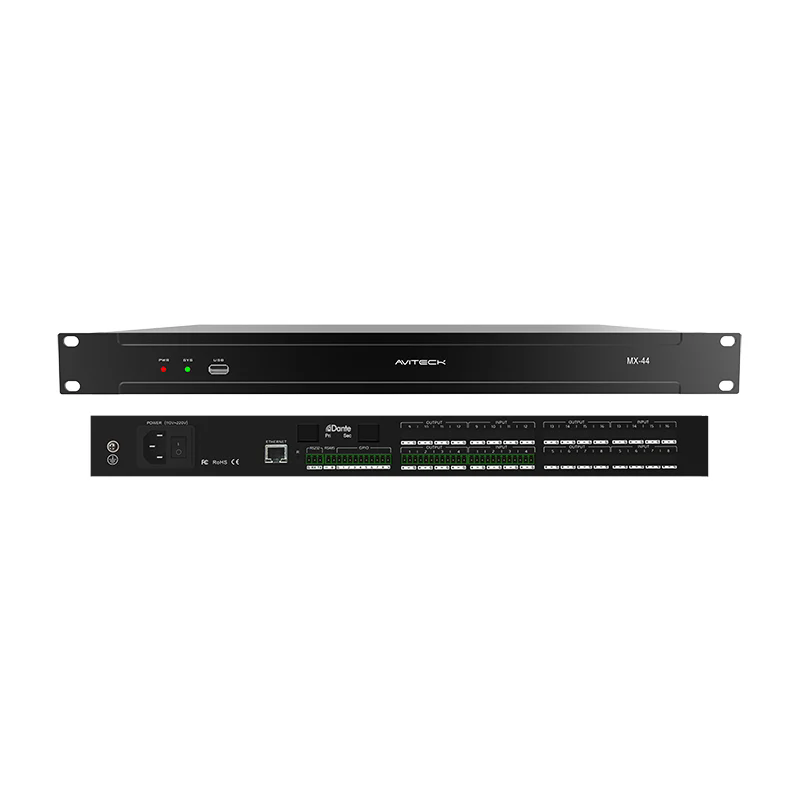

Choosing a digital audio processor involves far more than adjusting EQ curves or routing signals. The right unit must match input/output channel counts, sampling rate, latency requirements, control interface, and processing power, while also accounting for system gain structure, acoustic environment, and long-term operational stability. This article explains how digital audio processors differ from analog alternatives, how to verify compatibility with your existing sound system, and which specifications matter before purchasing or deploying. You will also find key safety and performance checks that help prevent signal degradation, feedback instability, and communication failures, enabling informed selection and proper system integration.
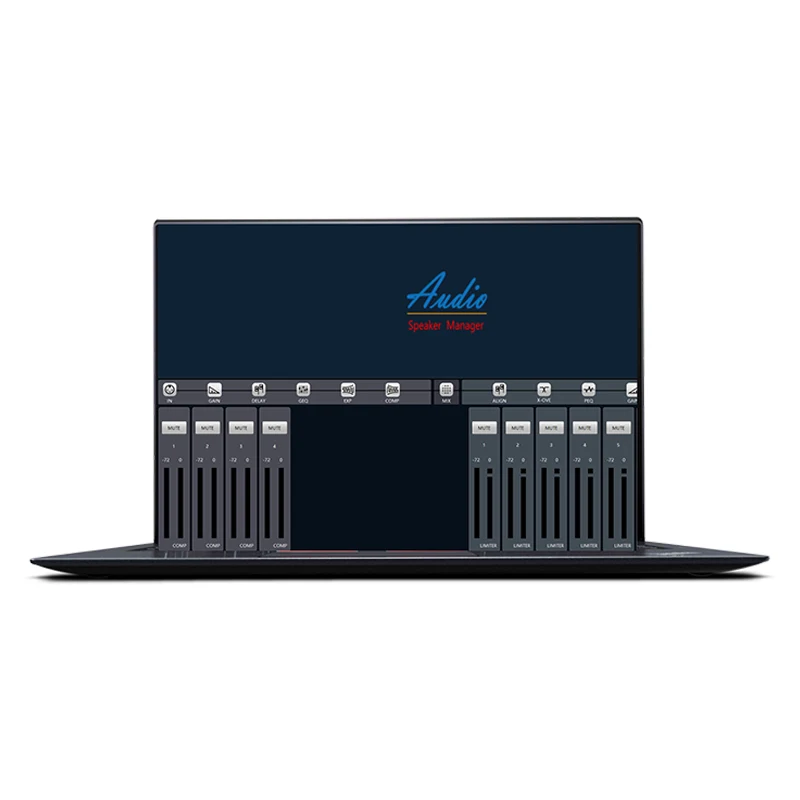
Digital audio processors serve as the central nervous system of modern sound reinforcement, conferencing, and public address installations. By converting analog audio signals into the digital domain, these devices enable precise equalization, crossover filtering, time alignment, dynamic range control, and matrix routing that would be impractical or impossible with analog circuits alone. Their ability to store and recall presets, integrate with networked control systems, and maintain signal integrity over long cable runs has made them indispensable across commercial, institutional, and professional audio applications.
Effects on signal quality and system coherence
The installation of a digital audio processor directly impacts signal-to-noise ratio, system headroom, and acoustic coherence. Modern units operating at 48kHz or 96kHz sampling rates with 24-bit or 32-bit depth deliver dynamic range exceeding 110dB, far surpassing analog consoles in noise floor performance. Digital processing also enables precise time alignment between drivers in a loudspeaker array, correcting for physical offset mismatches that cause comb filtering. Furthermore, advanced feedback suppression and automatic gain control algorithms can increase usable gain before feedback by 6dB to 12dB in challenging acoustic environments.
Use cases in commercial and professional applications
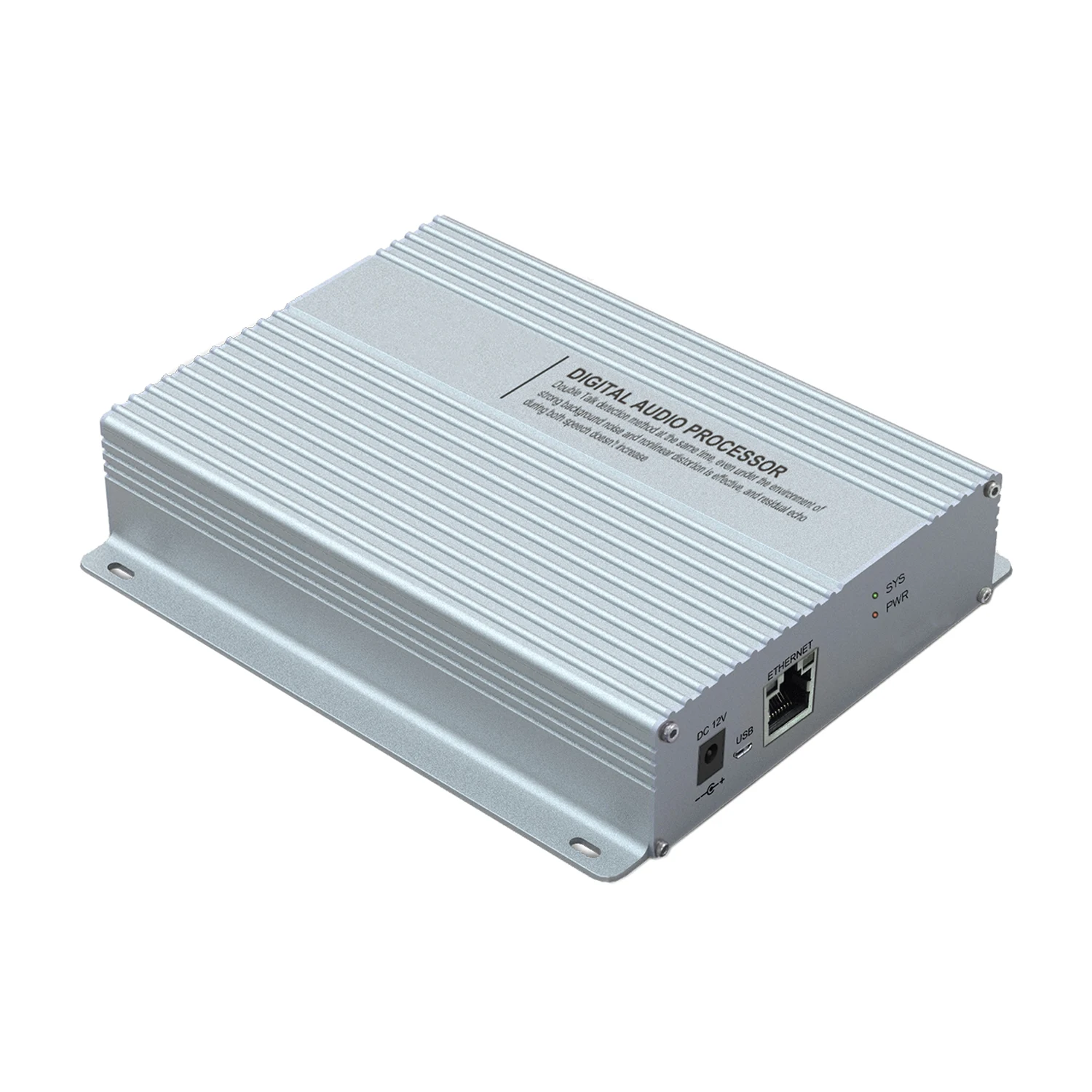
In the commercial sector, digital audio processors are primarily used for zone distribution in restaurants, retail spaces, and corporate campuses. For instance, a four-zone processor allows background music in a lobby, paging in an office area, and high-level playback in a boardroom—all from a single device. In educational settings, processors with AEC (Acoustic Echo Cancellation) are essential for hybrid learning classrooms, enabling natural two-way communication between in-person and remote participants. For performance venues, advanced DSPs provide loudspeaker management, including crossover filtering for bi-amped or tri-amped systems, limiting to protect drivers, and room EQ to compensate for architectural anomalies.
The functional capability and audio fidelity of a digital audio processor depend entirely on precise hardware specifications and firmware architecture. Because these devices handle mission-critical signal paths in live events, courtrooms, and emergency notification systems, relying on verified engineering data rather than marketing claims is non-negotiable for reliable operation.
Input/output configuration, sampling rate, and processing depth
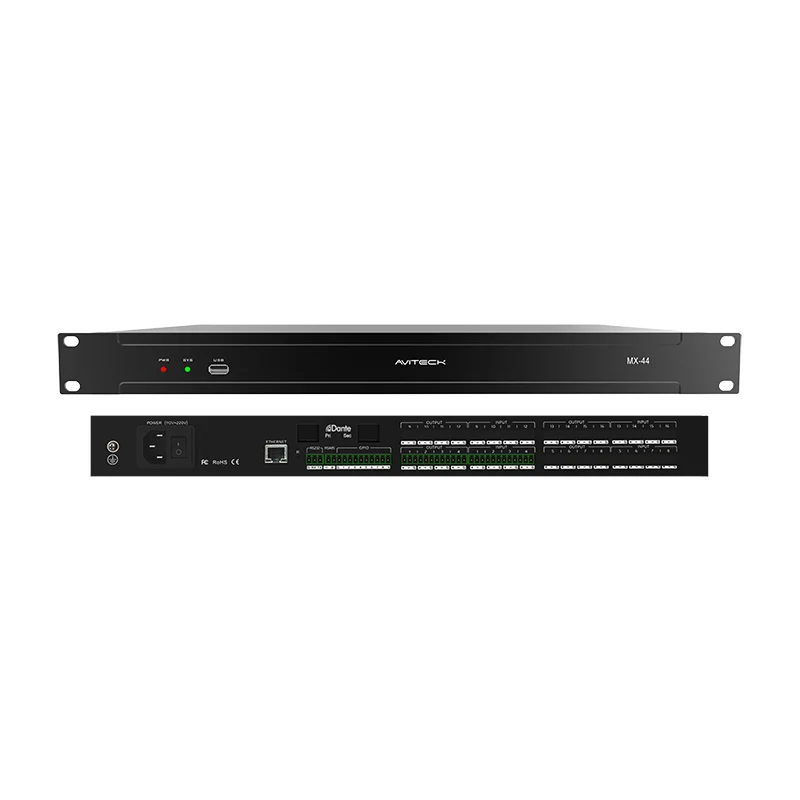
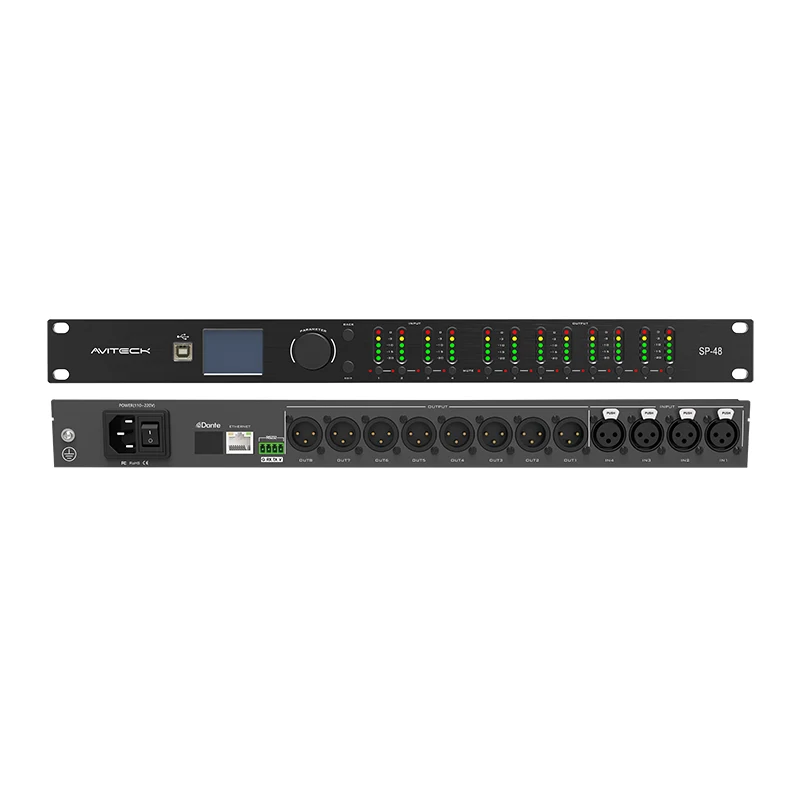
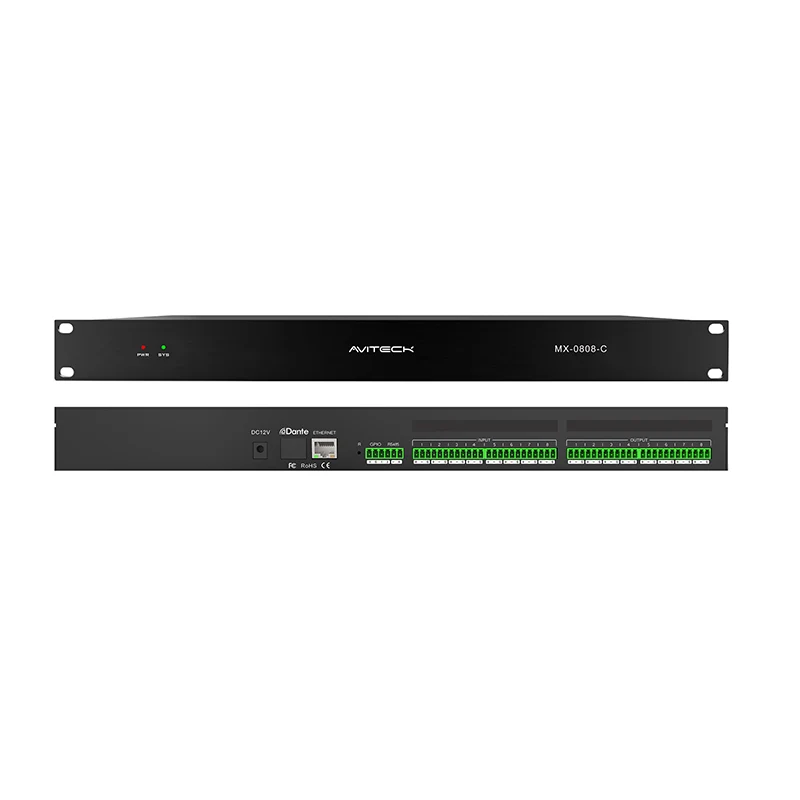
The four fundamental specifications are channel count, sampling frequency, bit depth, and DSP core architecture. Analog I/O typically ranges from 2x2 for small conferencing systems to 32x32 or more for large installation platforms. Digital I/O options—including AES/EBU, S/PDIF, and Dante—expand routing flexibility. Sampling rates commonly span 48kHz for installed sound up to 192kHz for studio-grade applications. Processing depth of 32-bit floating point prevents internal clipping and preserves dynamic range even when multiple processing blocks are cascaded. Latency, often overlooked, ranges from under 1ms for live sound applications to 10ms or more for systems requiring heavy acoustic echo cancellation.
Connectivity, control protocols, and software ecosystem
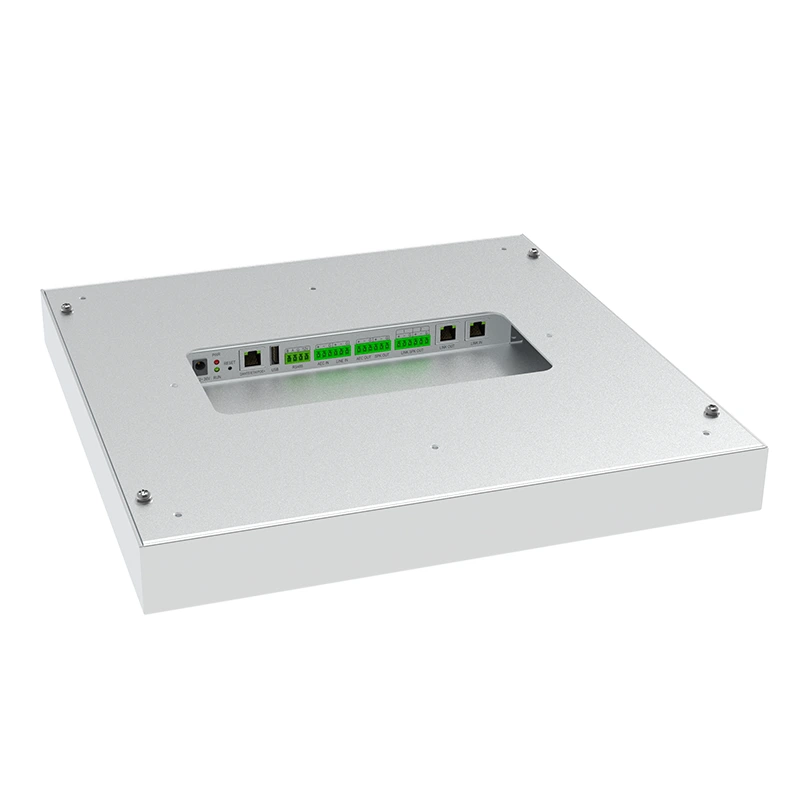
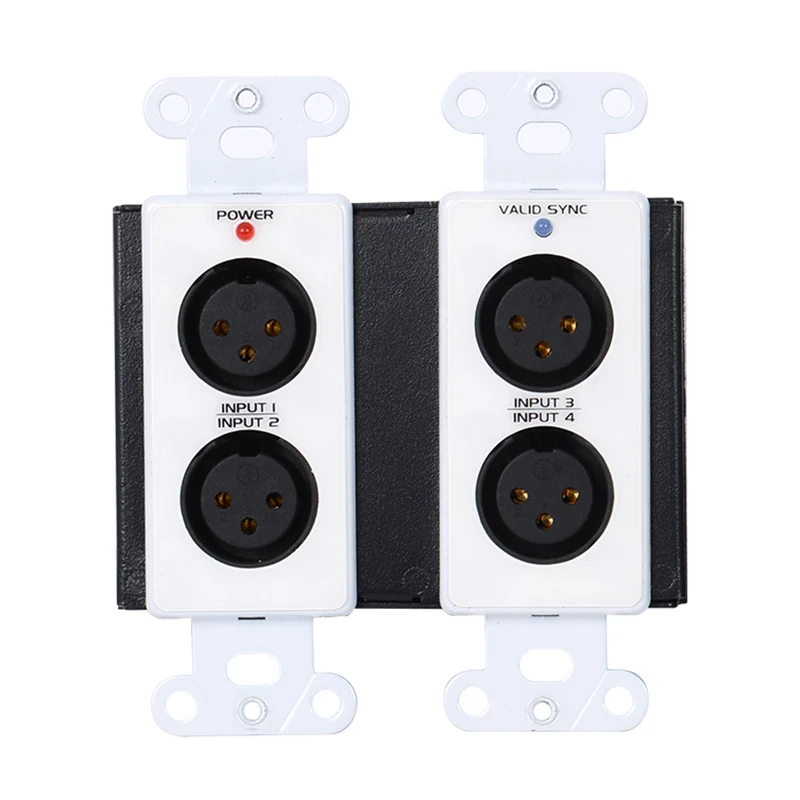
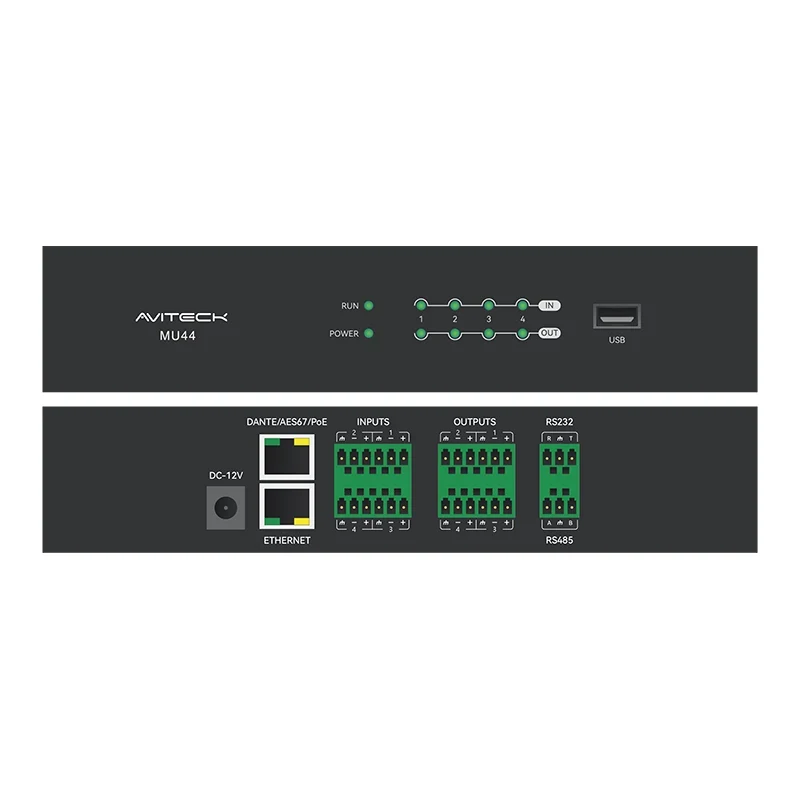
Modern processors integrate multiple physical and network interfaces. Analog inputs and outputs typically use Euroblock or XLR connectors. Network control ports support TCP/IP, with protocols including Ethernet/IP, RS-232, and GPIO for third-party integration with Crestron, AMX, or Q-SYS control systems. Dante audio-over-IP capability has become a de facto standard, allowing hundreds of channels to be distributed over standard gigabit networks. The software environment—often the differentiator between brands—provides drag-and-drop signal flow, real-time analyzers, and offline configuration tools.
Standalone vs. card-based vs. networked processor comparison
| Feature | Standalone DSP | Card-Based/Modular | Networked (Dante/AES67) |
|---|---|---|---|
| Typical I/O capacity | 2x2 to 12x12 | 8x8 to 64x64+ | Virtually unlimited |
| Expansion method | None (fixed I/O) | Add I/O cards | Add network endpoints |
| Control integration | Front panel + software | Software + external | Software + external + API |
| Best application | Small meeting rooms, classrooms | Theaters, houses of worship | Campuses, convention centers |
| Relative cost per channel | Low | Medium | Low to medium (high upfront) |
| Latency contribution | <1ms | 1-3ms | 2-10ms (network dependent) |
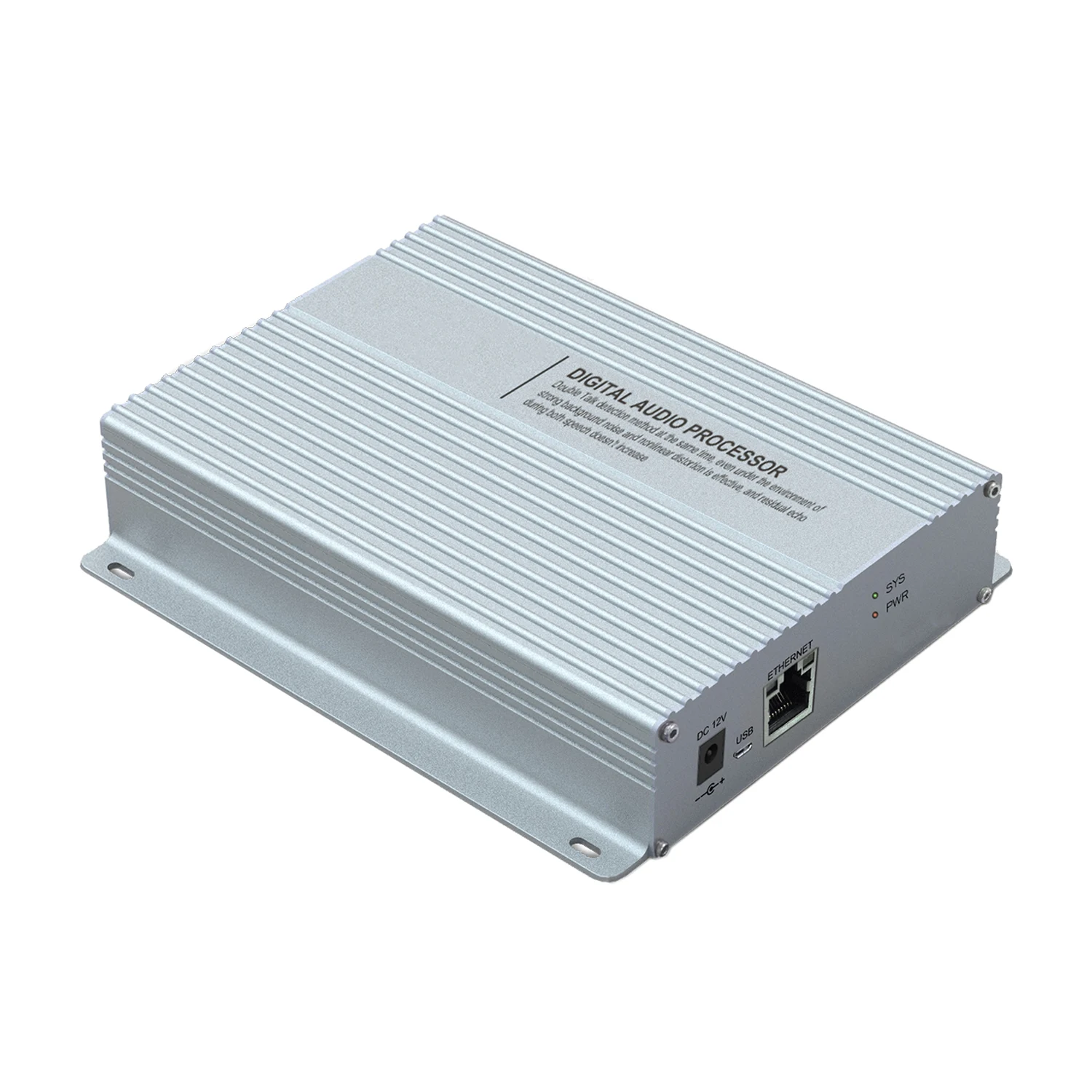
Proper system design and configuration protocols are essential when deploying digital audio processors. Failures in this domain rarely originate from processor hardware defects—rather, they stem from improper gain staging, inadequate network infrastructure, or mismatched signal levels.
Pre-installation checks
Prior to installation, technicians must verify acoustic requirements and system topology. The most critical pre-installation check involves gain structure verification. Industry practice mandates that input gain be set so nominal signal levels (e.g., microphone phantom power, line-level sources) reach approximately -18dBFS to -12dBFS at the processor's analog-to-digital converter, leaving 12-18dB of headroom for peaks. For Dante networks, clock master selection and QoS (Quality of Service) configuration on network switches are mandatory; without proper DSCP tagging, audio dropouts occur during network congestion.
Common risks: oscillation, packet loss, ground loops, and configuration errors
Four severe risks appear repeatedly in field deployments. Feedback oscillation from improperly configured mic inputs or misassigned routing can damage loudspeaker drivers within seconds. On Dante networks, packet loss exceeding 1% causes audible artifacts; causes include mismatched switch configurations, insufficient bandwidth, or using Wi-Fi for critical audio. Ground loops between processor inputs and source equipment introduce 50Hz/60Hz hum, mitigated by using balanced connections with properly lifted or tied signal grounds. Most insidious are configuration errors: saved presets that omit limiter settings, matrix mixes that route a mic back to its own zone, or filter slopes mismatched to loudspeaker manufacturer specifications.
Sourcing digital audio processors requires evaluating manufacturing capability, quality control processes, and the balance between features and long-term reliability.
How to assess supplier capability
Assessing supplier capability begins with verifying manufacturing standards and requesting documentation of quality control procedures. Capable suppliers maintain ISO 9001:2015 certification and operate automated test equipment for performance verification. Shenzhen FHB Audio Technology Co., Ltd., founded in 2018 under the brand FHBAVTEC, specializes in digital signal processors, Dante audio products, conferencing systems, and digital mixers. The company maintains state-of-the-art production facilities with full quality control spanning raw material sourcing to final delivery. Their R&D team continuously develops cutting-edge DSP solutions tailored to conference, education, hotel, and professional audio applications.
MOQ, lead time, and sales channels
For B2B procurement, typical MOQs for standard digital audio processors range from 10 to 50 units per SKU, while custom firmware or control integrations may require higher volumes. Lead times for production generally span 15 to 30 days depending on order size and configuration complexity. Sales channels include direct partnerships with system integrators, AV distributors, and OEM/ODM collaborations for brand-label solutions.
Price vs. quality comparison
| Market Tier | Price Range (per unit) | Features & Build | Key Applications |
|---|---|---|---|
| Entry-Level | 150–150–300 | Fixed I/O, basic EQ and delay, simple software | Small retail, single conference room |
| Mid-Range | 400–400–1,200 | Expandable I/O, full processing suite, Dante option | Houses of worship, multi-zone restaurants |
| Premium/Installation | 1,500–1,500–6,000+ | High channel count, redundant power, advanced AEC, full Dante integration | Convention centers, performing arts venues, enterprise campuses |
Implementing a rigorous selection framework ensures the chosen digital audio processor meets system requirements without compromising audio quality or operational stability.
Step-by-step product selection process
First, count the required analog inputs and outputs, including future expansion. Second, determine if digital I/O or networked audio (Dante) is needed for multi-device interoperability. Third, identify required processing blocks: graphic or parametric EQ (number of bands), crossover filters (type and slope), limiters (peak and RMS), delay (timing alignment), and auto-mixing or AEC for conferencing. Fourth, verify control compatibility with existing building automation or AV control systems. Fifth, confirm software usability—does it offer offline editing, preset storage, and password protection for installers?
Balancing performance, integration, and budget
What is the difference between a digital audio processor and a standard equalizer?
A digital audio processor provides multiple functions—EQ, crossover, delay, limiting, routing, and often AEC—in one unit. A standard equalizer typically provides only frequency adjustment.
How do I choose the correct digital audio processor for my venue?
Match channel count to your sources and zones. For conference rooms, prioritize AEC and auto-mixing. For performance spaces, prioritize low latency and loudspeaker management features.
When should I use Dante networking instead of analog connections?
Use Dante for installations with over 16 channels, long cable runs (over 50 meters), or when multiple processor zones need flexible re-routing. Analog remains simpler for small, fixed installations.
Do digital audio processors affect sound quality?
Properly configured processors operating at 48kHz/24-bit or higher are transparent to human hearing. Poorly set gain structure or aggressive processing can degrade quality.
What makes a digital audio processor safe for 24/7 commercial operation?
Convection cooling (no fans), robust power supply design, surge protection on all I/O, and verified thermal performance at rated ambient temperatures. FHBAVTEC processors undergo rigorous testing to ensure reliability and consistent performance across diverse installation environments.